
Pacifier and Baby Sleep: What Parents Need to Know
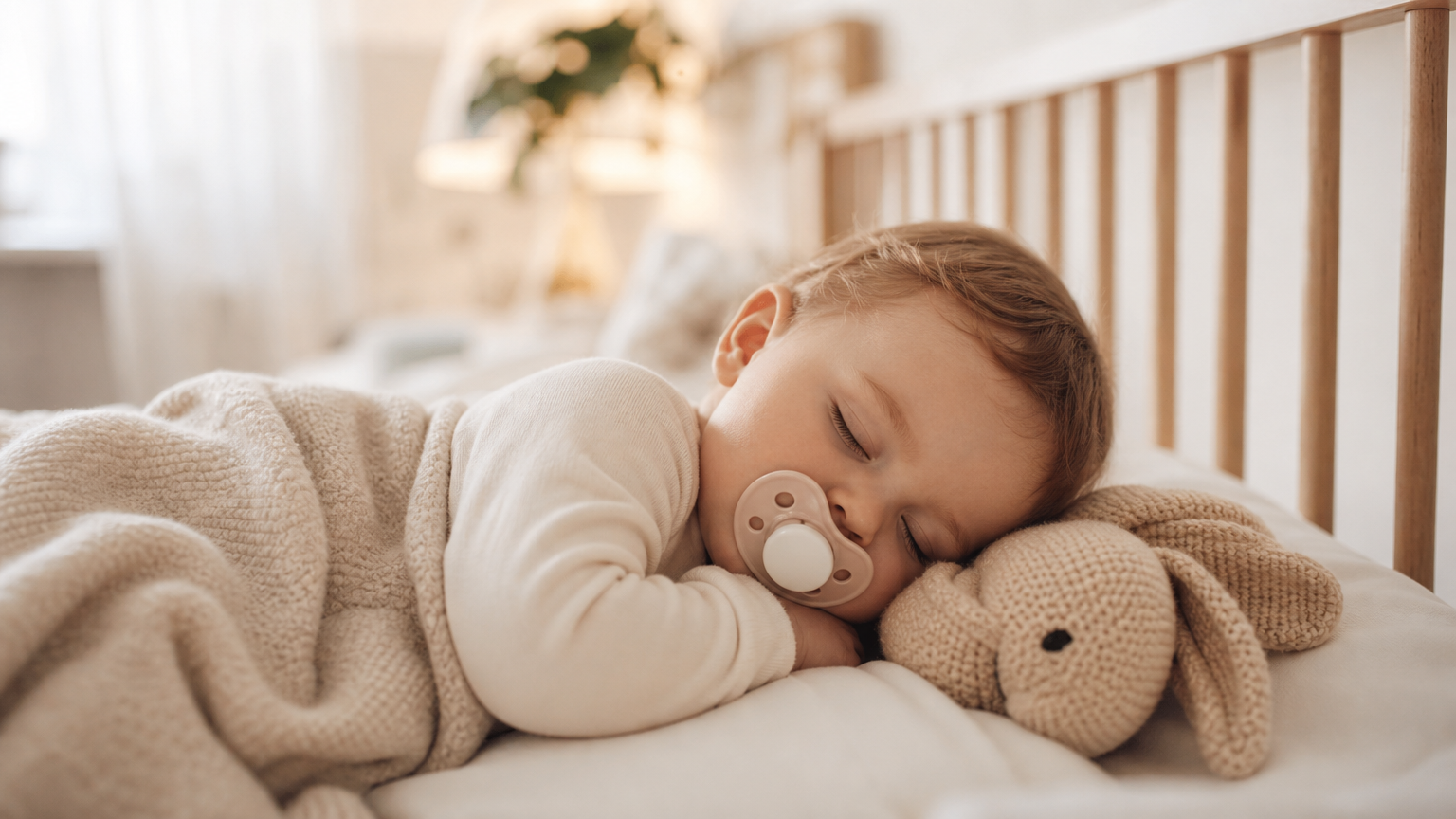
Few baby items get debated as much as the pacifier. Some parents call it a lifesaver. Others worry about dependency, teeth, or messing up breastfeeding. Honestly? The reality lands somewhere in the middle - and a lot of it comes down to your baby's age, personality, and what your family actually needs.
This guide goes through the research, the messy realities of nighttime sleep, and real strategies for making the pacifier work for you. Whether you're thinking about introducing one or you're already up at 2 a.m. wondering why your baby wakes every 45 minutes when it falls out, you'll find straight answers here.
What Does a Pacifier Actually Do for Sleep?
Babies are born with a strong sucking reflex that has nothing to do with hunger. Non-nutritive sucking - sucking without feeding - is genuinely calming for most infants. It activates the parasympathetic nervous system, lowers heart rate, and helps babies regulate their arousal level. In plain terms: it helps them drift off and stay settled during light sleep cycles.
- Newborns (0-3 months): sucking is a primary self-soothing tool; pacifiers can reduce fussiness and support settling at bedtime.
- 3-6 months: babies start developing other soothing skills, but pacifiers remain useful for naps and night sleep.
- 6-12 months: the pacifier pop-out problem peaks here - babies are more aware, wake more fully between sleep cycles, and cry for the pacifier to be replaced.
- 12 months and older: most toddlers can replace the pacifier themselves, which often resolves the night-waking issue naturally.
Pacifiers and SIDS: What the Research Shows
The American Academy of Pediatrics (AAP) recommends offering a pacifier at nap time and bedtime during the first year of life. Multiple studies have found an association between pacifier use and a reduced risk of sudden infant death syndrome (SIDS). The exact reason isn't fully understood, but one leading theory is that sucking keeps babies in a slightly lighter, more arousable sleep state.
Worth knowing: the AAP says you don't need to reinsert the pacifier if it falls out after your baby is asleep. And if your baby refuses one entirely, you don't need to force it - the benefit comes from offering it, not from keeping it in all night.
When to Introduce a Pacifier
For breastfeeding families, many lactation consultants suggest waiting until breastfeeding is well established - typically around 3-4 weeks of age - before introducing a pacifier. The concern is nipple confusion and making sure your milk supply is responding properly to your baby's feeding cues. That said, some research suggests the nipple-confusion risk has been overstated, and plenty of babies do fine with a pacifier from day one. Talk with your pediatrician or lactation consultant about what makes sense for your situation.
For formula-fed babies, there's no specific waiting period. You can offer a pacifier from birth if you want to. Keep in mind that some babies simply reject pacifiers no matter when you introduce them - and that's completely normal.
The Pacifier Pop-Out Problem
This is the thing that sends exhausted parents to search engines at 2 a.m. Baby falls asleep with the pacifier in. Forty minutes later, it falls out. Baby wakes and cries. You go in, replace it. Repeat all night. Sound familiar?
It happens because babies cycle through light and deep sleep roughly every 45-50 minutes. During light sleep, they briefly become aware of their surroundings. If they fell asleep with a pacifier and it's now gone, that changed condition can fully rouse them - same reason a baby who falls asleep nursing wakes up when you put them in the crib. It's called a sleep association. You can read more about how this connects to broader night-waking patterns in our guide to false starts and early wake-ups.
Strategies for Managing Pacifier Night Wakings
1. Teach independent sleep skills alongside pacifier use
If your baby can fall asleep without the pacifier at the start of the night - even just sometimes - they're more likely to resettle without it between cycles. This doesn't mean you have to do full sleep training. Even a gentle, gradual approach to putting baby down drowsy-but-awake can cut down on pop-out wake-ups. Our gentle sleep training guide has practical options for different parenting styles.
2. Place multiple pacifiers in the crib
Once your baby is old enough to find and replace their own pacifier - usually around 7-8 months - scatter two or three pacifiers around the crib. Many parents find this one simple change cuts night wakings dramatically. Baby wakes, roots around, finds a pacifier, and goes back to sleep without you ever getting out of bed.
3. Use a pacifier clip or wearable pacifier holder
For younger babies who can't self-replace yet, a clip attached to a sleep sack can keep the pacifier within reach. Always follow safe sleep guidelines - no loose strings, cords, or attachments that could pose a strangulation risk.
4. Consider the timing of pacifier use
Some families use the pacifier only at the start of the sleep period, then remove it once baby is in a deep sleep - usually 10-20 minutes after falling asleep. This reduces the chance of a pop-out wake-up later. It takes a little practice to get the timing right, but it works well for a lot of families.
Pacifier Use and Naps
The same dynamics apply to naps. If your baby is taking short naps and waking after one sleep cycle, a pacifier dependency could be part of the picture. That doesn't mean you need to ditch the pacifier right away - but it's worth trying naps without it to see if sleep consolidates. Getting your baby's wake windows by age right will also help you time naps so baby isn't overtired or under-tired when you put them down.
When and How to Wean Off the Pacifier
The AAP recommends weaning the pacifier between 6 and 12 months, mainly to reduce the risk of ear infections, which increase with prolonged pacifier use. Dental concerns - effects on tooth alignment - are generally more relevant after age 2-3 and are largely reversible before permanent teeth come in.
In practice, many families find the 12-18 month window a natural time to wean, since toddlers can understand simple explanations and are picking up other ways to self-soothe. Here are common approaches:
- Cold turkey: remove the pacifier entirely over one to three nights. Expect protest, but most babies adjust within a week. Works best for older babies and toddlers.
- Gradual reduction: limit pacifier use to sleep times only first, then to bedtime only, then phase it out entirely over several weeks.
- The 'fairy' or 'gift' method: for toddlers 2 and older, build a story around giving the pacifier away (to a new baby, to the 'pacifier fairy'). This gives the child some agency.
- Distraction and replacement: introduce a new comfort object like a small stuffed animal or lovey at the same time you reduce pacifier use, so the child has something to transition to.
- Timing matters: avoid weaning during other big transitions like starting daycare, a new sibling arriving, or a developmental leap. If you notice signs of a sleep regression, hold off until things settle.
Common Mistakes Parents Make with Pacifiers and Sleep
- Replacing the pacifier every time baby stirs, even when baby is not fully awake - this can actually disrupt sleep more than it helps.
- Waiting too long to wean when the pacifier is clearly causing more night wakings than it is preventing.
- Assuming a pacifier will solve all sleep problems - an overtired baby or poorly timed schedule will still cause sleep issues regardless of pacifier use.
- Using a pacifier as the only soothing strategy, without building any other calming tools into the bedtime routine.
- Skipping a consistent bedtime routine, which matters just as much as any sleep prop.
When to Talk to a Pediatrician
Most pacifier-related sleep challenges are normal and manageable at home. But there are situations where it's worth looping in your child's doctor:
- Your baby has had three or more ear infections and still uses a pacifier regularly past 6 months.
- You notice your toddler's teeth are shifting noticeably due to pacifier use.
- Your baby refuses all forms of comfort including the pacifier and is consistently inconsolable at night.
- Night wakings are so frequent (every 1-2 hours past 6 months) that you are concerned about your baby's overall sleep quality or your own wellbeing.
- Your baby was previously sleeping well and suddenly regresses significantly - a pediatrician can rule out illness, reflux, or other medical causes.
- You are unsure whether it is safe to introduce a pacifier given your baby's specific health history or prematurity.
Build a Schedule That Works Alongside Pacifier Use
A pacifier is just one piece of the sleep puzzle. Getting nap timing and total daily sleep right makes everything easier. Use the nap schedule generator to build a schedule matched to your baby's age and current wake windows - it takes the guesswork out of when to put baby down, which is often half the battle.
Related Guides
For more on building healthy sleep habits, explore our guides on how to sleep train your baby, reading your baby's sleepy cues, contact naps and what to do about them, white noise safe use, and when babies sleep through the night.
Try Baby Soma
Personal schedule, AI consultant and sleep tracker - all in one app.
Related reading
Short Naps: Why Babies Wake After 30-40 Minutes
Baby waking after one sleep cycle? Learn why short naps happen, when they are normal, and practical ways to help your baby nap longer.
Baby Overheating: Signs Your Baby Is Too Hot
Learn the key signs your baby is overheating, safe temperature ranges for sleep, and practical steps to keep your little one comfortable and safe.
7 Rules for a Comfortable Vacation With a Baby Under 1
Planning a trip with your infant? These 7 practical rules help protect sleep, reduce stress, and keep your baby happy away from home.