
Baby Overheating: Signs Your Baby Is Too Hot
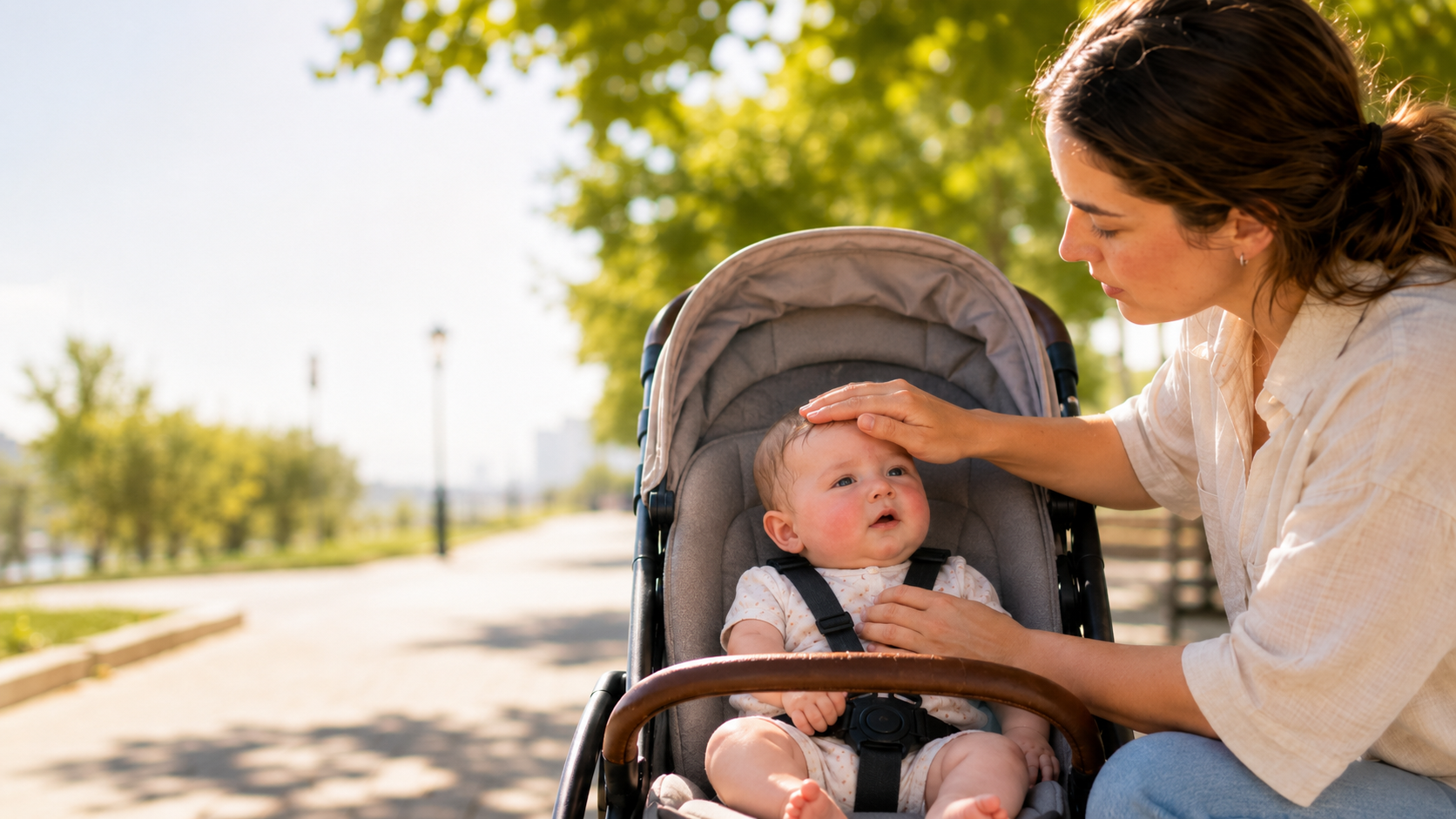
Every parent has stood over a sleeping baby and wondered: is she warm enough, or too warm? It's one of those quiet worries that hits at 2 a.m. And it's a real one - overheating isn't just a comfort issue, it's a safety issue. Research has consistently linked excessive heat during sleep to a higher risk of sudden infant death syndrome (SIDS), which is why pediatricians put so much weight on keeping babies at the right temperature.
The reassuring part is that once you know what to look for, checking your baby takes only a few seconds. This guide covers the physical signs of overheating, the room and clothing conditions that put babies at risk, and what you can do right now. You'll also find clear guidance on when a warm baby means it's time to call your doctor.
Why Babies Overheat More Easily Than Adults
Newborns and young infants have an immature thermoregulatory system. In plain terms, their bodies aren't yet efficient at releasing excess heat - they can't sweat as effectively as adults or adjust blood flow to cool themselves down. They also have a much higher surface-area-to-body-mass ratio, which means heat builds up fast, especially under blankets, thick sleep sacks, or in warm rooms. Throw a fever or a stuffy nose into the mix and the risk climbs further.
Premature babies and very young newborns are at the highest end of this risk, but overheating can happen at any age in the first year. Knowing the warning signs matters whether your baby is three weeks old or ten months old.
Safe Temperature Ranges: Room, Body, and Clothing
- Room temperature: 68-72 F (20-22 C) is the range most pediatric sleep experts recommend for infant sleep.
- Baby's normal body temperature: roughly 97-100.3 F (36.1-37.9 C) when measured rectally - the most accurate method for infants.
- A temperature above 100.4 F (38 C) in a baby under three months is always a reason to call your doctor, regardless of the cause.
- Clothing layers: a general rule of thumb is one more layer than a comfortable adult would wear in the same room.
- Sleep sack TOG ratings: 0.5 TOG for warm rooms (above 75 F / 24 C), 1.0 TOG for 69-74 F (20-23 C), and 2.5 TOG for cooler rooms below 68 F (20 C).
- Avoid hats indoors during sleep - babies release a significant amount of heat through their heads, and covering it traps warmth.
Clear Signs Your Baby Is Too Hot
The most reliable check is to feel the skin on the back of your baby's neck or the chest - not the hands or feet, which are often cooler than the core even in a perfectly comfortable baby. Here's what to look for:
- Skin that feels hot and damp to the touch, especially at the nape of the neck.
- Visible sweating on the scalp, hairline, or back.
- Flushed or red cheeks and face.
- Rapid or labored breathing that's faster than your baby's normal resting rate.
- Unusual fussiness or restlessness during sleep - waking more often than normal.
- Limp, lethargic posture or difficulty being roused, which is a more serious sign.
- A rash of small red bumps (heat rash, also called miliaria) on the neck, chest, or skin folds.
Common Situations That Lead to Overheating
Knowing the triggers helps you get ahead of the problem. Here are the situations parents run into most often:
- Loose blankets or quilts in the crib - these are a dual hazard because they can cover the face and trap heat. Safe-sleep guidelines recommend a fitted sheet only, with a wearable blanket or sleep sack instead.
- Overdressing for the season - it's easy to reach for the thick fleece onesie out of habit even when the house is warm.
- Car seats in direct sunlight - metal buckles and dark fabric absorb heat fast. Check the seat surface before buckling your baby in.
- Babywearing in warm weather - skin-to-skin contact is wonderful, but both you and your baby generate heat together. Choose breathable carriers and take breaks.
- Illness - a baby fighting a cold or infection may run a higher baseline temperature, so the same clothing and room setup that was fine last week may now be too warm.
- Sleeping in a room without airflow - stagnant air warms up faster, especially in summer. A fan set to circulate air (not blowing directly on the baby) helps.
What to Do When You Think Your Baby Is Overheating
Stay calm and work through it step by step. Most mild overheating resolves quickly once you remove the heat source.
- Move the baby to a cooler area or room, or improve airflow with a fan.
- Remove one layer of clothing or swap a thick sleep sack for a lighter one.
- Offer a feed - breast milk or formula helps with hydration and can gently cool the body from the inside.
- Place a cool (not cold) damp cloth on the forehead, back of neck, or wrists for a minute or two.
- Don't use ice packs or very cold water - sudden temperature drops can cause shock in small babies.
- Check the temperature again after 10-15 minutes. If the baby is cooling down and seems comfortable, monitor and adjust the sleep environment.
- If the baby remains very hot, is limp, hard to wake, breathing abnormally, or has a temperature above 100.4 F (38 C) and is under three months old, seek medical attention right away.
Overheating and Sleep Quality
Beyond safety, temperature has a direct effect on how well your baby sleeps. The body's core temperature naturally drops slightly at the start of sleep - it's part of the biological signal that tells the brain it's time to rest. When a baby is too hot, that drop can't happen efficiently, which can lead to frequent night wakings, short naps, and a generally unsettled baby who seems overtired but can't stay asleep.
If your baby has been waking more than usual or fighting sleep and you can't pinpoint a developmental reason - like the 4-month sleep regression or the 8-month sleep regression - it's worth ruling out temperature before assuming a behavioral sleep issue. Sometimes the fix is as simple as dropping a TOG rating on the sleep sack.
Building a Sleep Environment That Stays Cool
A few practical adjustments to the nursery can make a real difference night after night:
- Use a room thermometer - not just a smart thermostat in another room. Temperatures vary between rooms, especially upstairs spaces in summer.
- Blackout curtains reduce solar heat gain during the day so the room is already cooler at bedtime.
- A fan set to circulate air improves ventilation without creating a cold draft. White noise from a fan can also support sleep.
- Choose breathable crib mattress covers - some waterproof covers trap heat. Look for ones with a breathable top layer.
- Dress the baby in natural fibers like cotton or bamboo, which wick moisture better than synthetic fabrics.
- The nap schedule generator gives an example day from age and morning wake time. It does not use room temperature or weather; check the sleep environment separately.
Overheating vs. Fever: How to Tell the Difference
This is a question parents ask a lot, and it's a fair one. Overheating from the environment and fever from illness can feel similar - hot skin, fussiness, fast breathing. The key difference is cause and response. If you remove a layer, move to a cooler room, and your baby's skin temperature normalizes within 15-20 minutes, it was likely environmental overheating. A true fever from illness will persist regardless of what you do to the environment. Taking a rectal temperature is the most accurate way to confirm. Any reading above 100.4 F (38 C) in a baby under three months should be treated as a fever and evaluated by a doctor promptly.
Mistakes Parents Often Make
- Dressing the baby the same way year-round without adjusting for seasonal room temperature changes.
- Checking hands and feet to gauge warmth - these are often cool even in a comfortable baby and aren't a reliable indicator of core temperature.
- Putting a loose blanket in the infant’s sleep space, with or without a sleep sack. Keep the sleep surface clear except for a fitted sheet; use suitable sleep clothing for warmth.
- Assuming that if the baby isn't crying, she must be fine - some overheated babies go quiet and lethargic rather than fussy, which is actually the more concerning sign.
- Turning the heating up at night to compensate for a cold snap without adjusting the baby's clothing layers.
When to Talk to a Pediatrician
Most overheating episodes are mild and resolve with simple adjustments. But there are specific situations where you should contact your doctor or go to emergency care:
- Your baby is under three months old and has a rectal temperature above 100.4 F (38 C) - this is always an urgent call.
- Your baby is limp, unusually difficult to wake, or unresponsive.
- Breathing is rapid, labored, or noisy in a way that doesn't resolve after cooling down.
- The baby has been in a hot environment (like a parked car) and you're unsure how long.
- Heat rash is spreading rapidly, looks infected, or is accompanied by fever.
- You've cooled the baby down but she remains inconsolably upset or refuses to feed.
- You're not sure whether what you're seeing is overheating or illness - when in doubt, call your pediatrician. That's exactly what they're there for.
Related Guides
For more on building a safe, comfortable sleep environment, see our bedtime routine checklist, tips on reading your baby's sleepy cues, and our guide to safe white noise use. If temperature issues are disrupting your schedule, the baby sleep schedule by age quick guide can help you reset. And if you're traveling in warm weather, our travel and baby sleep article covers how to manage sleep environments away from home.
Sources and further reading
- NICHD Safe to Sleep: reducing sleep-related risks
Supports keeping loose blankets out of infant sleep space and avoiding overheating. This general safety guidance does not validate every temperature or TOG value in this article.
Try Baby Soma
Personal schedule, AI consultant and sleep tracker - all in one app.
Related reading
Feeding Babies Under One: A Complete Guide
Everything parents need to know about feeding babies from birth to 12 months, including breast milk, formula, and starting solid foods safely.
Short Naps: Why Babies Wake After 30-40 Minutes
Why short naps happen, what a 30-40 minute wake-up cannot diagnose, and how to judge the wider pattern before changing a schedule.
7 Rules for a Comfortable Vacation With a Baby Under 1
Planning a trip with your infant? These 7 practical rules help protect sleep, reduce stress, and keep your baby happy away from home.