
Gentle Sleep Training: No-Cry Methods That Work
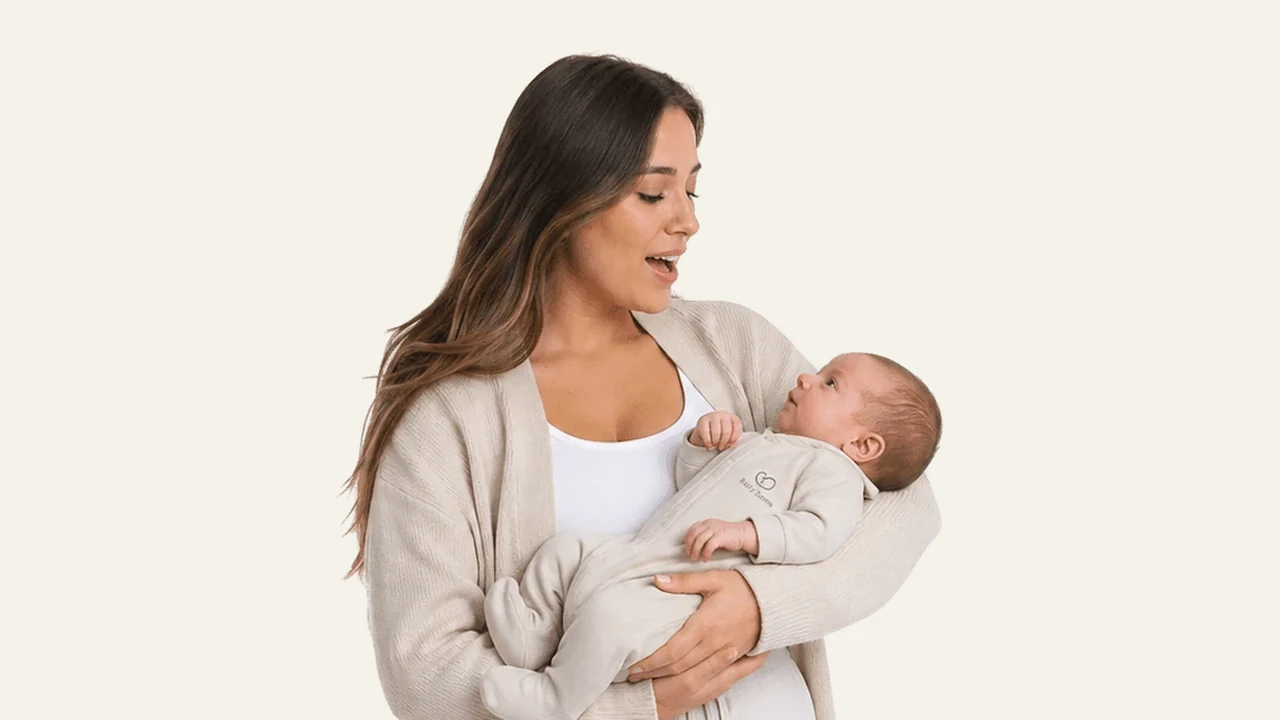
If the idea of leaving your baby to cry feels wrong for you, you are not alone. Plenty of parents want their little one to sleep better without long stretches of crying alone. That is exactly what gentle sleep training is built for.
These approaches keep you nearby while your baby slowly learns to settle. They are slower and need patience, but they tend to feel kinder for sensitive babies and for parents who want to stay close.
What gentle sleep training actually means
Gentle, or no-cry, methods reduce crying rather than promise zero tears. You stay present and offer comfort, then step back in small steps over days or weeks. The goal is the same as any sleep training: helping your baby fall asleep with less help over time.
Most gentle methods suit babies from around 4-6 months, once a pediatrician confirms your baby no longer needs night feeds for growth. Younger babies usually still need to feed overnight.
The main gentle methods
Each method works differently, so pick the one that fits your baby’s temperament and your own energy. You can also blend them.
- Chair method: you sit beside the crib until your baby sleeps, then move the chair a little farther away every 3-4 nights until you are out of the room.
- Pick-up-put-down: you lay your baby down awake, and pick them up to soothe only when they get upset, then put them back down calm but awake.
- Fading: you slowly reduce a sleep crutch, such as shortening rocking or feeding before bed by a few minutes every couple of nights.
- Bedtime-hour fading: you temporarily shift bedtime later to match when your baby is truly sleepy, then move it earlier as settling improves.
What to expect week by week
Gentle methods rarely deliver overnight wins. Many families see small improvements in the first week and steadier nights by weeks 2-3. Progress is often two steps forward, one step back, especially around teeth, illness, or travel.
- Keep a consistent wind-down routine of about 20-30 minutes.
- Watch awake windows so your baby is tired but not overtired.
- Respond the same way each night so the message stays clear.
- Track naps and night wakings to see the trend instead of judging single nights.
Who gentle training suits best
Gentle approaches fit parents who feel strongly against crying methods, babies who escalate quickly when alone, and families with the time and patience for a slower path. If you need a faster change for your own wellbeing, that is a valid reason to discuss other options with a professional.
This article is educational guidance, not medical advice. Talk with your pediatrician before starting any sleep training, especially if your baby was premature, has reflux, or any health concern.
FAQ
Is gentle sleep training really no-cry?
Not entirely. These methods aim to reduce crying, not eliminate it. Some protest is normal when habits change, but you stay close to comfort your baby throughout.
How long does gentle sleep training take?
Usually 2-3 weeks, sometimes longer. It is slower than cry-based methods, so consistency matters more than speed. Expect gradual progress rather than a sudden fix.
What age can I start?
Most experts suggest around 4-6 months once your baby is developmentally ready and a pediatrician confirms night feeds are no longer needed for growth.
What if it is not working after a few weeks?
Check the basics first: consistent routine, age-right awake windows, and a calm sleep space. If nothing helps after 3-4 weeks of consistency, ask your pediatrician or a sleep specialist for guidance.
Related guides
Keep reading: How to Sleep Train a Baby: A Calm Parent Guide, The Ferber Method: A Calm, Practical Guide. Calculate it for your baby with the Bedtime Calculator.
Try Baby Soma
Personal schedule, AI consultant and sleep tracker - all in one app.
Related reading
How to Sleep Train a Baby: A Calm Parent Guide
How to sleep train a baby without guesswork: what it is, when to start, signs of readiness, and a clear overview of gentle to graduated methods.
The Ferber Method: A Calm, Practical Guide
How the Ferber method works step by step: timed-check intervals, what to expect across nights, who it suits, and the age and safety basics.
When Do Babies Sleep Through the Night? A Realistic Guide
When babies sleep through the night, what it really means, why they wake, what helps them sleep longer, and night weaning basics - no false promises.